Does diet soda cause weight gain? I’ve been meaning to write about this for some 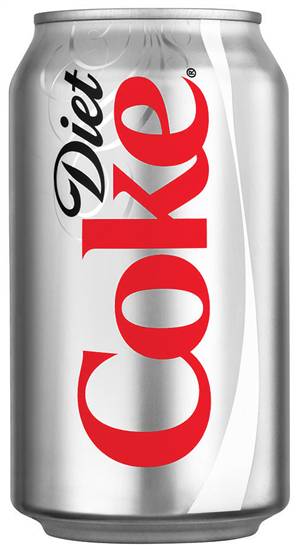 time.
time.
Let me start by saying this: I have a diet soft drink every once in a while. According to conspiracy theorists I should be dead soon (or at least have grown an extra appendage or two), but I feel just fine. Yes, I’ve always been a little skeptical about the alarmist articles floating around the internet regarding the dangers of artificial sweeteners.
Now let’s consider something else: we know that sweet drinks (like regular sodas) are a major factor in obesity. One of the first things I tell people who want to lose weight is to eliminate all liquid calories (except milk).
But diet sodas have also been demonized, and I’ve run across articles claiming they cause weight gain (and other random health problems). Most of these drinks have zero calories, so there are only a couple of scenarios I can imagine that would cause diet soda to be associated with weight gain:
The first possibility is that artificial sweeteners cause some kind of insulin response. But I’ve yet to find any convincing evidence that any artificial sweetener affects insulin (sorry–don’t feel like citing and analyzing every study I’ve read on this). Unless I see some new definitive research I’m comfortable saying diet sodas have little to no hormonal impact as far as fat loss goes.
The second possibility is that drinking diet soda is connected with weight gain in some indirect way. Remember: correlation is not the same thing as causation. Consider this: what if those who drink large amounts of diet soda simply haven’t “trained” themselves to lower their intake of sweet drinks/food? This scenario (or something like it) would easily explain why some researchers find a connection between drinking diet soda and weight gain.
A recent study done by Dr. Jim Hill has caught my attention (Dr Hill is a physician at the University of Colorado’s Anschutz Health and Wellness Center). It was funded by the beverage industry, but it seems to be pretty well-designed. 300 subjects were divided into two groups. One group was told to drink only water and completely avoid all soda consumption. The other was allowed to drink diet sodas. The subjects were followed for 12 weeks. The “water-only” group lost an average of 9 pounds, while the diet soda drinkers lost an average of 13 pounds.
What’s the lesson here? Something I’ve written about several times: compliance. Water is certainly a better choice than any kind of soda (diet or regular). But those who were allowed to use artificially sweetened drinks simply had an easier time complying with their diet–this helped them be more successful in their efforts to lose weight (much like those who eat carbs at night).
The bottom line: I don’t see anything wrong with using diet sodas if they help you avoid liquid calories and stay within your daily caloric limit. I would encourage moderation, of course, but that goes for about anything you consume.