Weightlifting Straps

I prefer use chalk as a way to keep a good grip. But I also use lifting straps in certain circumstances. The premise behind straps is pretty simple–your grip may be a “weak link” which keeps you from training other muscles at maximum intensity.
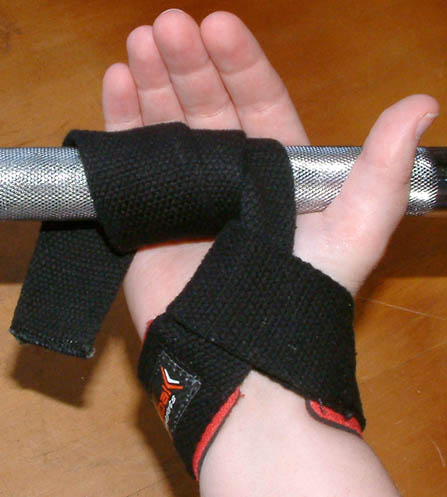
WristStrap

But here’s the dilemma: you don’t want weightlifting straps to become a “crutch” which keeps you from developing grip strength. So be sure you are doing plenty of work (pulling, etc) without straps.

Here are situations where I use straps:

*High volume training: whenever I’ve done “German Volume Training” (10 sets, 10 reps) or similar types of training (lots of sets/reps) my grip wears out on the last few sets of back work. Straps come in handy here.

*Fatigue: Sometimes I do Romanian deadlift after squats or regular deadlifts (depending on how I have set up my training split).  This means I’m very tired and covered in sweat. Straps help me focus on working my hamstrings without worrying about dropping the bar .

*Equipment issues: You may encounter situations where the grip threads on barbells, etc, just aren’t that great and straps give an extra measure of safety.

*Gym rules: a lot of gyms (even good gyms) don’t allow chalk.  This is unfortunate, but to be honest, I understand the gym owner’s perspective–a lot of trainees would not think twice about making a huge mess (just think about how many people won’t bother to re-rack their weights).

I’ve always just used the plain, cotton version.  Right now I’m using a pair of Grizzly brand straps that I’ve had for a while, but I’m guessing the brand isn’t terribly important (it’s just a strap, after all).  You can click the image to check them out on Amazon and look at other brands/designs as well.
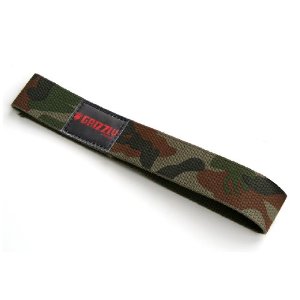
GrizzlyLiftingStraps

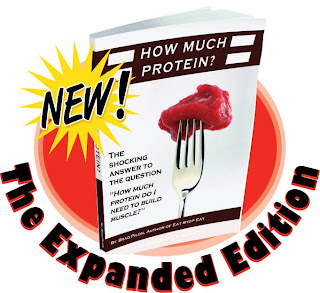
How much protein?

How much protein do we need to build muscle?  The truth might just shock you, especially if you’ve spent years listening to the hype of supplement companies.

I’ve just finished reading How Much Protein, an eye-opening book by Brad Pilon. Apparently this one has been around for a while, but I wasn’t aware of it.

Let me share a little bit of my personal story before I get into my review. I gained my first 20 or so lb. of muscle while I was in high school. What kind of “special diet” was I on? Lunchroom food and mom’s cooking. I imagine I was getting the minimal amount of protein Brad recommends (more on that later), but I definitely wasn’t obsessed with it.

I continue to put on more muscle during my college years. I ate a lot, but I still wasn’t that focused on protein intake. I remember putting size on my legs during this time because I was focused on leg training.

In other words, based on my experience, eating 1-2 grams of protein per lb. of body weight (as some recommend) is not necessary for building muscle.

I began using protein supplements in my 20’s. But I don’t think I’ve ever taken in huge amounts of this macronutrient. I’ve always been a little skeptical of the high amounts mentioned in bodybuilding magazines, etc.

I’ve always wondered what the real deal is in terms of protein intake. It’s hard to get straight answers because certain industries have a vested interest in making sure we consume tons of it (the supplement industry, etc).

This is where Brad’s book comes in. How Much Protein has given me the best information available, based on the current research. Read it and you’ll be surprised. Here are just a few things I’ve learned:

*The optimal range for protein intake—and why consuming more than this amount won’t help.

*The truth about post-workout nutrition.

*The human body “recycles” amino acids from its own cells.

*The human body also adapts to our protein intake, becoming more or less efficient in its utilization of amino acids.

*Why “nitrogen balance” is not necessarily directly correlated to muscle growth.

*Why creatine monohydrate trumps protein supplements in terms of importance, and how creatine is used by the supplement scammers to hype up bogus formulas.

I’d highly recommend the How Much Protein book. You won’t necessarily stop using protein powder (Brad doesn’t advocate this), but you’ll probably end up spending less money on it (easily enough to cover the cost of the book). More importantly, you’ll be liberated from any paranoia about losing muscle if you don’t eat a dozen chicken breasts a day.  Just CLICK HERE to check it out.