My regular readers know I don’t put much faith in supplements. I have a very short list of supplements that work, and I’m very skeptical of bodybuilding supplements in general. But Vitamin D 
Vitamin d plays a crucial role building both bone and muscle. We synthesize it when our skin is exposed to sunlight. We also get it from food (or supplementation, which I will discuss later).
Deficiencies are associated with obesity and weaker muscles–this correlation has been shown through many studies over the years.
Studies have also shown a positive correlation between levels of vitamin d and sex hormones (both men and women).1 Supplementing with this micro-nutrient, for example, seems to raise testosterone levels in men who are deficient.2
Vitamin d deficiency is very common, probably affecting half of the world’s population.3 Americans are not exceptions to this statistic. A 2010 study revealed that 24% of the subjects tested (90 young women in California) were deficient in vitamin d, and even more (59%) were at “insufficient” levels (< or = 29 ng/ml). Those with low levels of vitamin d had a higher % of fat within their muscles (“muscle adiposity”).4
So let’s put all this together:
1. Vitamin d that plays a crucial role in both muscular strength, leanness, and optimum hormone levels (like testosterone).
2. There’s a possibility you are deficient in it.
Here are a few of the factors that would tend to affect your levels of vitamin d:
*Skin tone: melanin protects from sun damage but also limits synthesis (darker skin=higher risk for deficiency).
*Sun exposure: the amount time you spend in the sun, the climate you live in, and the season (summer vs winter) all affect how much vitamin d you produce.
*Age: our ability to produce this vitamin declines with age.
Supplementation:
One study demonstrated supplementing with 800-1000 mg/day way sufficient to improve the strength and balance of elderly patients. 5 The study I quoted earlier (re: raising testosterone levels) used about 3,000 mg/day. I doubt any adult would have any issues supplementing in the 1,000-3,000 range–the institute of medicine puts the upper level of recommended supplementation at 4,000 mg/day.6 Vitamin D-3 seems to be the best choice as in terms of the type/form of supplement. 7
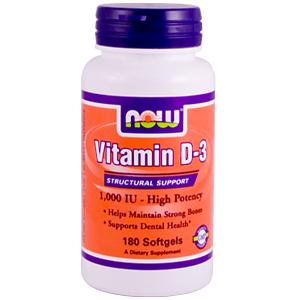
I use the NOW Foods Vitamin D-3, Structural Support 2000 I.U., 240 Softgels
Having said this, I’d highly recommend you ask your doctor for a blood test to know exactly what your blood levels are. This is the only way to know for sure and develop a precise strategy (supplementation, etc).
References:
1.Eur J Endocrinol. 2012 May;166(5):765-78. Epub 2012 Jan 24. Vitamin D and fertility: a systematic review.
2. Horm Metab Res. 2011 Mar;43(3):223-5. Epub 2010 Dec 10. Effect of vitamin D supplementation on testosterone levels in men.
3. J Pharmacol Pharmacother. 2012 Apr;3(2):118-26. Vitamin D: The “sunshine” vitamin.
4. J Clin Endocrinol Metab. 2010 Apr;95(4):1595-601. Epub 2010 Feb 17. Vitamin D status and its relation to muscle mass and muscle fat in young women.
5. J Am Geriatr Soc. 2011 Dec;59(12):2291-300. doi: 10.1111/j.1532-5415.2011.03733.x. Effect of vitamin D supplementation on muscle strength, gait and balance in older adults: a systematic review and meta-analysis.
6. Institute of Medicine: Dietary Reference Intakes for Calcium and Vitamin D
7. J Clin Endocrinol Metab. 2011 Mar;96(3):E447-52. Epub 2010 Dec 22. Vitamin D(3) is more potent than vitamin D(2) in humans.